Animation study
Animation-only render
An early visual-system pass focused on the motion and editorial layer. The narration is my own voice, generated through ElevenLabs.
Agentic Systems · Case Study
One case reference link goes in. Roughly five hours later, the system returns a finished ten-minute documentary package. This page presents the public scope and verified output without documenting the private prompts, tuning, routing, or production control logic.
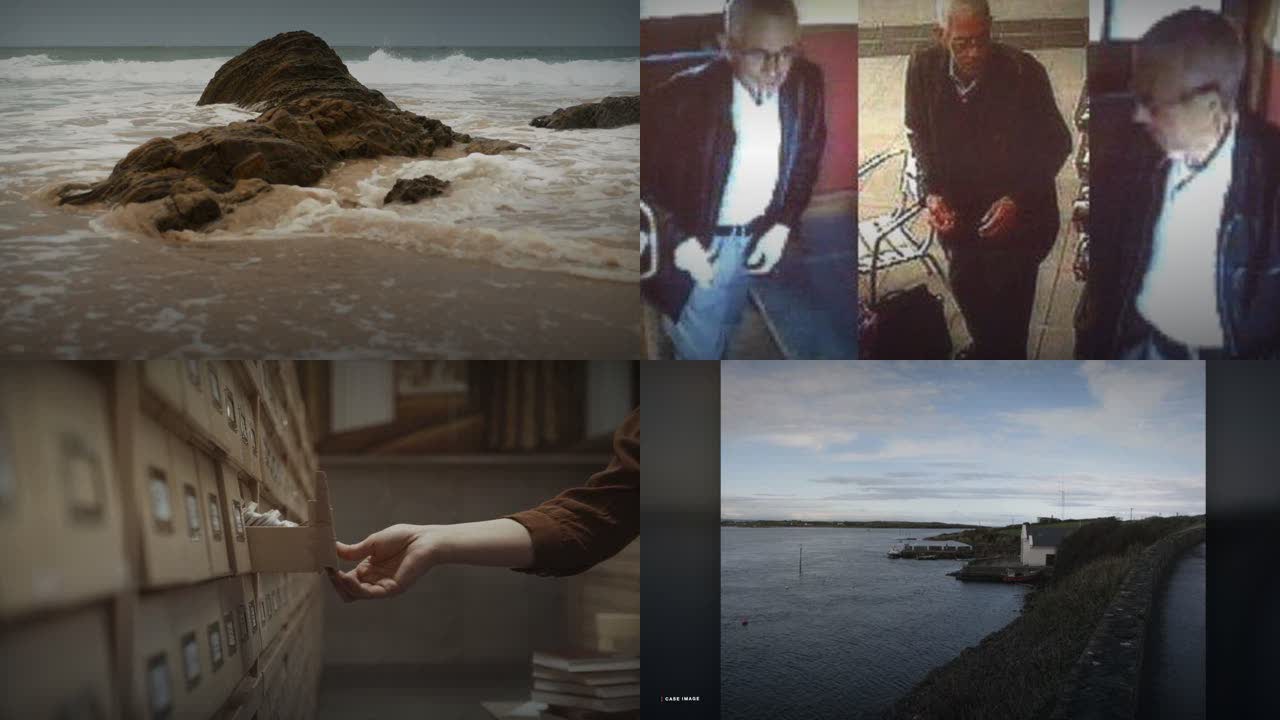
The public claim is deliberately simple: a case reference is turned into a researched, written, narrated, illustrated, edited, rendered, and packaged documentary episode. The four outputs below show the system at different points in its development.
An early visual-system pass focused on the motion and editorial layer. The narration is my own voice, generated through ElevenLabs.
A longer end-to-end render from the same case, showing the assembled documentary package.
A later full-system iteration with the visual, narrative, audio, and finishing layers together.
A new case, researched, written, narrated and rendered end to end by the current pipeline.
Current runtime: a complete run takes about five hours. Time was not a project constraint, so I prioritized output quality and a reliable sequential workflow over concurrency optimization. That runtime is a current engineering tradeoff, not a speed claim.
A useful next test
Have a story or unusual case you want to see processed? Leave your email and a short reference. The request is sent directly to me; a full pipeline run currently takes about five hours.
The current pipeline has five production departments, twenty-eight stages, and two independent review gates. The diagram stays at that published level; internal stage contracts, routing, retry policy, and tuned orchestration are intentionally omitted.
Python 3.12 for the pipeline, TypeScript for rendering · LangGraph and Pydantic for the public architecture · Remotion and ffmpeg for video · pytest for the published tests.
Named model and voice providers:
Specific models, routing order, provider contracts, fallback policy, and configuration are intentionally not documented here.
The public repository is intentionally not a runnable copy of the production system. It includes selected modules, tests, redacted configuration structure, and explanatory docs; it omits the entry point, dependency manifest, environment template, and most production modules.
Intentionally withheld. Prompts, tuned configuration values, production orchestration, resume and reuse machinery, provider integrations, research/search logic, the brand and animation system, and most of the TypeScript renderer and agent implementation.
The portfolio follows the same boundary. It demonstrates the system's scope and public evidence without reproducing the transferable implementation details.